Find a Bed Bug Exterminator for Prevention
What You Need to Know for Effective Pest Control for Bed Bugs
Successful bed bug pest control demands a thorough knowledge of their behavior and habits. Recognizing the indicators of an infestation is critical for timely intervention. Preventative measures can greatly reduce the risk of an outbreak. Even though many opt for DIY techniques, professional services frequently produce more consistent results. Recognizing the complexities of treatment success can significantly impact outcomes. What methods can be employed to achieve sustained results against these stubborn pests?
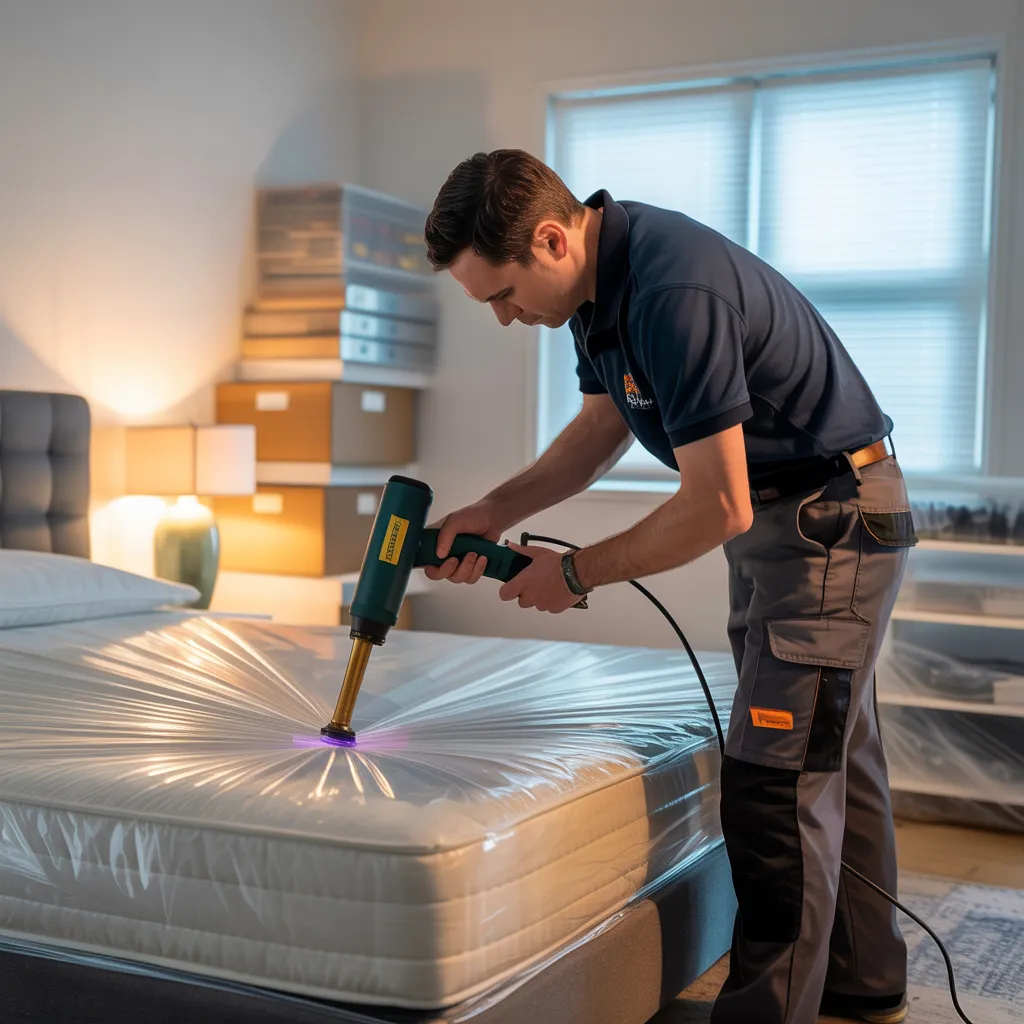
Identifying Bed Bugs: Common Signs and Symptoms to Watch For
How does one identify bed bug activity in their residence? Identifying these pests can be tricky but necessary for prompt treatment. Common signs include small, reddish-brown insects, commonly likened to apple seeds, hiding in crevices or seams of beds and household furniture. Their excrement appears as tiny black specks on bedding or surfaces. Furthermore, discarded skins can be discovered, signaling an increasing presence.
Skin bites, frequently appearing in clusters or rows, can signal bed bug infestation, causing itching and discomfort. Such bites usually happen at night when the insects are at their most active. A distinct musty scent may also come from heavily affected areas, caused by the bugs' scent glands. By staying alert to these warning signs, one can effectively identify the presence of bed bugs and act accordingly to resolve the problem.
Practical Prevention Approaches for Bed Bug Infestations
Essential preventive measures against bed bug infestations are vital for keeping a pest-free home environment. Regular inspection of sleeping areas, including mattresses and box springs, can help identify signs of bed bugs early. Reducing household clutter decreases the number of potential sheltering spots for these unwanted pests. During travel, people should carefully examine hotel accommodations and position luggage on raised platforms, such as luggage racks. Washing and drying bedding and clothing on high heat can eliminate any potential bed bugs. Filling in cracks and narrow spaces in walls and furniture can additionally discourage infestations. Additionally, using protective covers on mattresses and pillows can prevent bed bugs from entering. Teaching all residents of a home about bed bug identification and their warning signs is necessary to secure immediate action should an infestation be discovered. By applying these preventive measures, homeowners can significantly lower the likelihood of bed bug occurrences within their residences.
Best Products for Bed Bug Prevention
A comprehensive strategy for bed bug prevention includes using a variety of specialized products created to keep these pests at bay. One popular solution includes protective mattress encasements, which form a protective layer that stops bed bugs from infiltrating or fleeing mattresses and box springs. Furthermore, bed bug interceptor devices can be installed under furniture legs to capture bugs as they try to ascend.
Insecticide sprays formulated specifically for bed bugs are also essential, providing a straightforward approach to eradicate any current infestations. Moreover, diatomaceous earth, a natural powder, can be applied in cracks and crevices to dehydrate act now and kill bed bugs upon contact. Essential oils, including tea tree oil and lavender, can act as natural deterrents, even though their efficacy may not be consistent. Consistent application of these solutions, paired with active monitoring, significantly improves one's capacity to prevent a bed bug outbreak.
Bed Bug Elimination: Professional vs. Do-It-Yourself Approaches?
When thinking about bed bug management, one might wonder whether professional services or DIY methods are the better choice. Licensed pest management professionals frequently offer a thorough approach, employing advanced tools and professional knowledge to locate and destroy bed bug infestations efficiently. These professionals usually provide guarantees and follow-up treatments, ensuring that infestations are completely addressed.
Conversely, DIY solutions can be enticing for those seeking economical alternatives. Property owners may employ numerous techniques, such as heat treatments, steam treatment, and the use of readily available insecticides. That said, these methods require thoroughness and a comprehensive grasp of bed bug behavior to be successful.
At the end of the day, the determination between professional and DIY approaches copyrights on the extent of the infestation, financial limitations, and the homeowner's readiness to dedicate time and energy. Carefully evaluating the advantages and disadvantages of each approach is key to effective bed bug management.
How to Evaluate the Success of Your Bed Bug Treatment
How can one truly determine if their bed bug treatment has been successful? Evaluating the effectiveness of bed bug treatment involves several key steps. As a starting point, observing for the presence of live bed bugs is absolutely necessary. After treatment, individuals should inspect their sleeping areas regularly, looking for signs such as shed skins, eggs, or feces. Utilizing bed bug detectors, such as traps or canine inspections, can provide additional confirmation.
Additionally, it is critical to track reported bite incidents. A reduction in bite occurrences may indicate successful elimination. Additionally, the timeframe of observation should continue some weeks following treatment, as eggs can require time before hatching.
Finally, recording findings is a critical component. Maintaining a record of inspections and treatments assists in monitoring progress and guides future decisions. When indicators remain after numerous treatments, reaching out to a pest control specialist might be needed to reconsider the plan.
Frequently Asked Questions
How Long Do Bed Bugs Typically Live Without Feeding?
Bed bugs are generally capable of surviving without a blood meal for approximately two to six months, according to the conditions of their environment. When exposed to cooler temperatures, their metabolic rate decreases, enabling them to survive for longer periods without a blood meal.
Can Bed Bugs Transmit Diseases to Humans?
Bed bugs are not known to transmit diseases to humans. Although their bites may result in discomfort, itching, and allergic reactions, they are not known carriers of pathogens that cause serious illnesses, classifying them primarily as a nuisance rather than a genuine health threat.
Are Bed Bugs Found Only in Beds?
Bed bugs do not only live in beds; they may be found in a wide range of locations, including upholstered furniture, floor coverings, and tight crevices. Their resilience enables them to thrive across a variety of settings, often hiding close to human hosts.
What Actions Should I Take When Traveling After a Bed Bug Infestation?
After a bed bug infestation, one should thoroughly inspect clothing and luggage, wash items in hot water, and apply protective covers to bags. Avoid placing belongings on hotel beds until they are confirmed to be free of bed bugs.
How Can I Prevent Bed Bugs From Hitching a Ride on Luggage?
To keep bed bugs from hitchhiking on luggage, travelers ought to examine their bags prior to packing, utilize protective covers, store luggage away from the floor, and never place bags on hotel beds or upholstered furniture.